

To address the divide within the United States government, Senate Democrats struck an agreement with the White House to move forward with a new plan that would see the originally proposed Homeland Security funding bill separated into a package of five other bills throughout the fiscal year.
These bills were introduced after both parties made a deal through Sept. 30, ultimately giving this session two more weeks to vote, with the final deadline on Friday, Feb. 13, 2026. Both parties have disagreements with what the bills introduce and what they contain. Many House Democrats who took part in the vote feel there is a lot of unnecessary spending, while the Republican Party is trying to achieve more than these five bills.
ICE has been a major part of both sides of the vote. Senate Bill 76 was passed in the Senate on Jan. 27, 2026, with a 37-7 vote, with all “no” votes coming from the Democratic Party. Titled “Immigration Matters,” the bill proposed a law requiring Indiana law enforcement, government agencies and colleges to comply with federal immigration detainer requests. This means local jails and police must hold someone up to 48 hours longer if the request is made so federal immigration agents can take custody.
“From a Republican point of view, the cops need us right now. They are being demonized. They’re being spat upon. They can’t sleep at night,” Republican Sen. Lindsey Graham said during a meeting, according to ABC News, calling the treatment of ICE officers “unconscionable.”
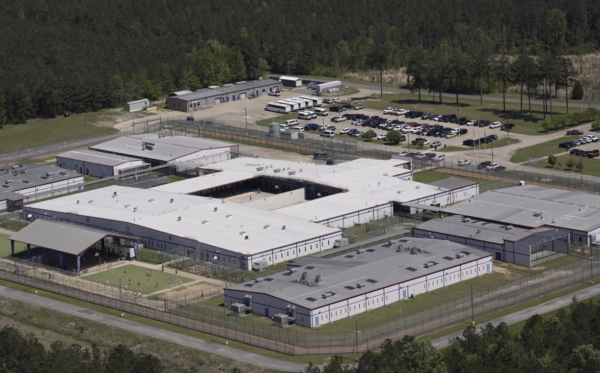
In December 2025, The Washington Post reported on ICE plans to convert warehouses nationwide into detention and processing centers, one of the locations being the town of Merrillville.
Taking a stand against it, the town has strongly opposed the establishment of any ICE detention facility. A meeting was held on Jan. 27, where officials shut down rumors. Council President Rick Bella said, “We are making it clear now that a detention or processing facility does not align with Merrillville’s values, planning standards or vision for the future.”
Along with this, Rep. Frank Mrvan, D-Ind., sent a letter to Homeland Security Secretary Kristi Noem opposing the potential facility, stating, “The Town of Merrillville and surrounding public safety departments have made clear to my office and the public that they were not consulted in this decision. While not required, my office was also not notified. This lack of transparency raises serious public safety and infrastructure concerns for our community. I respectfully call on the Administration to reverse any decision to convert commercial buildings for the purpose of detaining individuals in our district,” Mrvan said.
Merrillville has also received no information from ICE or any federal agency regarding the matter. If the Department of Homeland Security chooses Merrillville as a spot for a facility, there is unlikely anything the council can do about it. With the council sending its own letter, there are worries that federal law will overrule any power it has.
Currently, Indiana is shifted toward the ICE movement, with many other bills being introduced that tie into ICE’s favor. Outside of Indiana, attempts are being made to halt ICE and limit its power. Senate Democrats had a list of demands while negotiating the bills, demanding Senate Republicans agree to require immigration agents to wear body cameras and identify themselves, get a warrant for arrest and abide by a code of conduct similar to state and local law enforcement. Senate negotiators on the Democratic side made it clear they would prefer if ICE is not funded this year, noting the agency received $75 billion from last year’s Republican tax and immigration law, the largest investment in immigration enforcement since the creation of the Department of Homeland Security in 2003.
It raises the question: Where and what do they need all this money for?
When asked about the current situation of ICE, Griffith High School resource officer Demetri Blanco said, “It’s scary, man. If your skin color is a little darker, they’ll snatch you up. Everyone has their right and wrong views on politics, but when it comes to the safety of our students and staff, along with people in the community, we cannot support these actions.” Even if ICE were to get defunded, it’s important to note the agency can still operate without being funded, using money from last year’s spending law.
Every state citizen is represented by a state senator, making them constituents. It is a core part of their job to listen to citizens of the state and be held accountable. Their job security depends on the people. Contacting a local senator and sharing concerns about specific bills could help in favor of people in the state. Other actions that can be taken include knowing your rights as a U.S. citizen.