


The Supplemental Nutrition Assistance Program (SNAP) was defunded due to the latest government shutdown that resolved November 12 but left millions of American families distraught.
SNAP has been an ongoing program since 1939 that provides families with Electronic Benefits Transfer (EBT) credit, that can be used to purchase food. As of 2025, it costs the US government $8 billion per month to fund. During the 43-day long shutdown, the government could no longer afford to fund $8 billion. Though, as the shutdown is resolved, SNAP continues to face challenges.
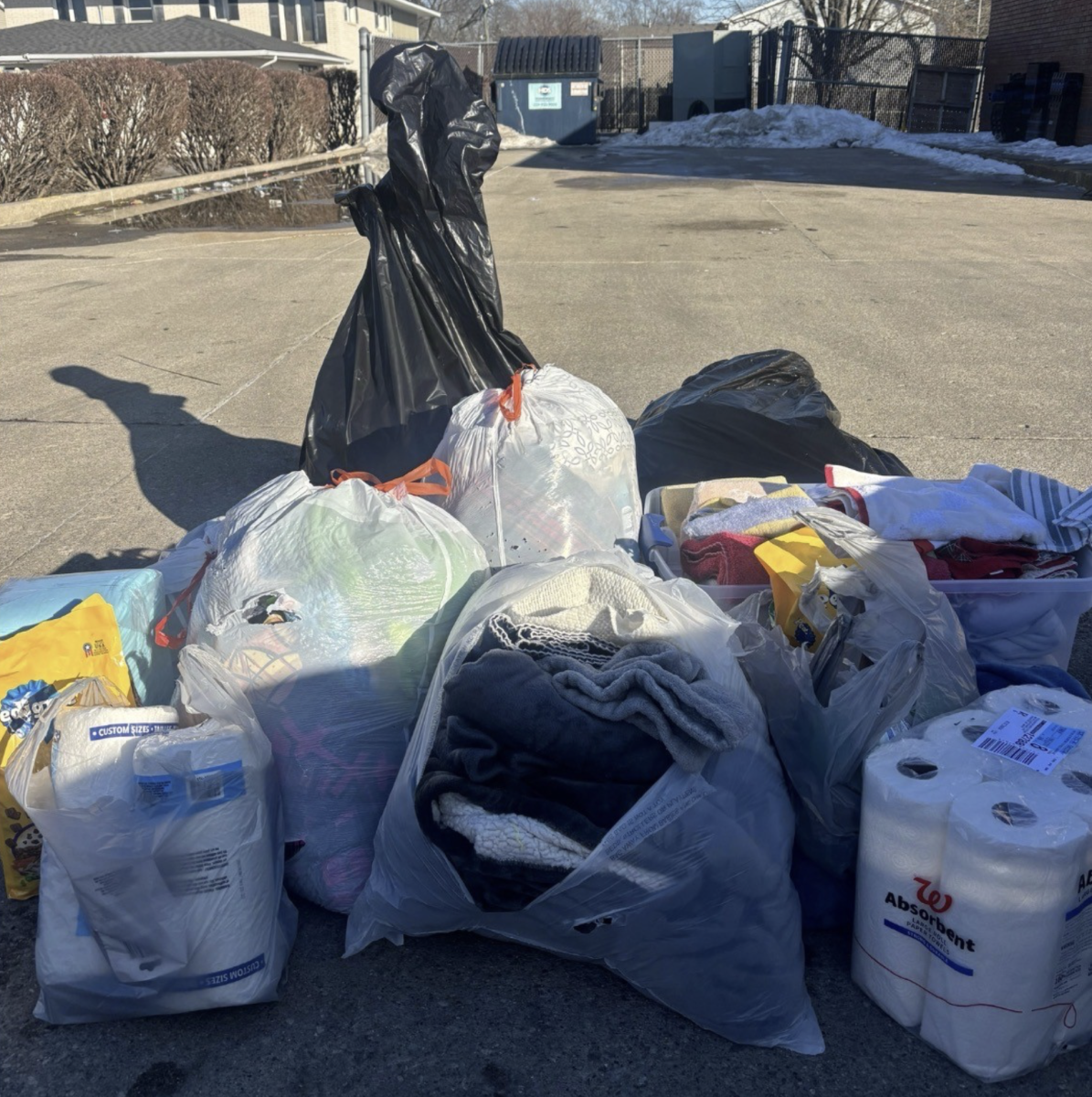
Food banks across the U.S. have experienced an increase in people needing their services, with many worried how they will overcome the supply demand. Victor Garcia, executive director of the Foodbank of Northwest Indiana, addressed the ongoing crisis in food banks. “We’ve seen about a 57% increase in demand for nutrition support,” Garcia said. “What we are doing now with elevated distribution models is not substantial long term,” he said. The NWI Foodbank is primarily built off donations, and the overwhelming amount of people makes it difficult for everyone to be assisted.
Back-to-back court rulings went up all the way to the Supreme Court took place, with many judges ordering the government to use emergency funds to ensure some sort of funding for SNAP. Now that SNAP is funded again, there are many new benefit restrictions. The Trump administration is attempting to lower the amount of “fraud” Americans that use SNAP, and with that came stricter benefit rules. Any adult will face stricter work requirements, such as having to work 80 hours a month to receive benefits for more than 3 months. On top of that, states will eventually have to share the cost of SNAP benefits, causing thousands of citizens to lose access to SNAP in the future. The age limit to get benefits, which was previously 54, has risen to 64.
Millions of families rely on SNAP for nutritional needs, and with stricter requirements and defunding, many will need assistance to feed their families.