


Across the United States, students often struggle with mental health everyday due to a variety of reasons that can largely impact school, grade, and academic performance.
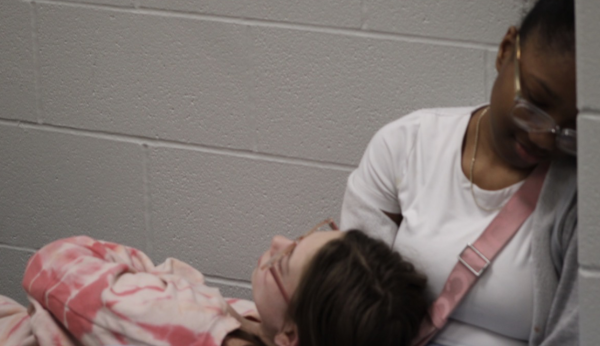
Every day, more and more students struggle with mental health from factors ranging from stress, depression, anxiety, or maybe even a disorder like ADHD. The National Institutes of Health website claims that 60% of students in the U.S. and 47% in Indiana struggle with emotional Illness, effecting schooling performance or behavior. Students often detach themselves from social bonds, becoming more isolated and closed off.
The Centers for Disease Control and Prevention states on their website that “from 2015-2025, students have begun to have a serious increase in negative mental health, creating students to aim more towards alcoholism and drug addiction especially more towards their graduation years and college.”
One counselor at Griffith Jr./Sr. High School, Julie Martoccio, stated, “A student who struggles with a form of mental health cannot, only seriously affect the way a student performs in school but can also become more closed off to people like their peers, and family.”
Another GHS counselor, Selene Giron, says “A students home life and environment can strongly affect the wellbeing of a child” and “students that have parents that fight and argue a lot are likely to come to school the next day closed off,” later adding “students do often find extracurriculars after school to let out untold emotions and take their mind off things, again back to the last question, it can be really about the home lifestyle.”
Giron later said, “students can find it hard to open up, and others can tell you everything. It’s really depending on who they can trust. For example, if a student were to come to me, nothing will leave these four walls, unless it is things like self-harm, or suicidal thoughts.”
Martoccio said similar things. After discussion with all the counselors of Griffith High School, they all brought up “Crown Counseling” for students with mental illness, they are also all similarly agreed that students do not often feel comfortable talking to a school counselor and will resort to things like social media and or friends.
When asked if teachers have seen a decrease or increase in mental health, GHS art teacher Christa Siorek said, “personally, I have not seen an increase or decrease, but you can tell if a student is troubled.”
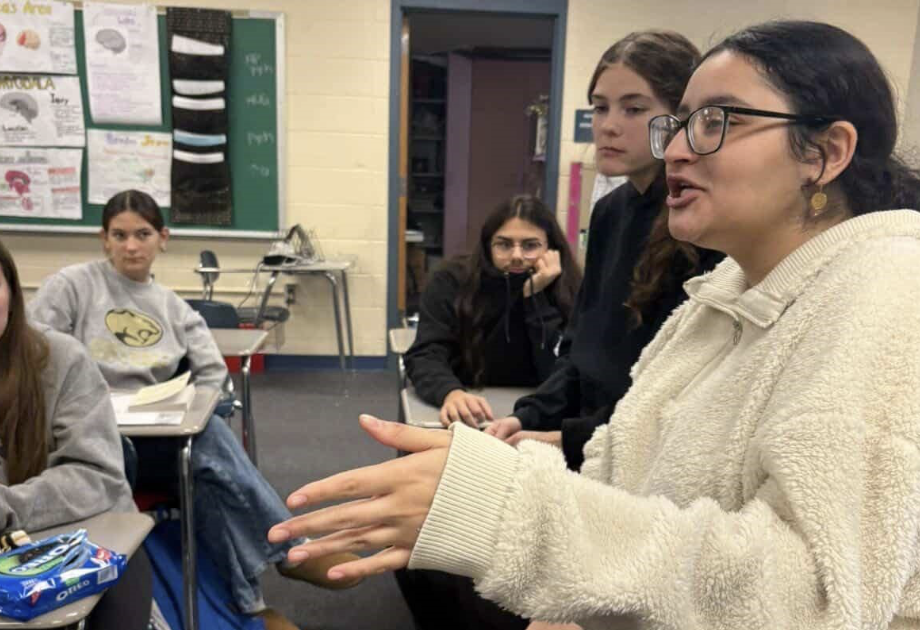
Sophomore Sydney Matthews said, “I can say I have seen lots of my friends struggle with a form of mental health.”
All the social workers at Griffith strongly advise students who struggle with some sort of mental illness should seek some form of help by their most known and accessible source, Crown Counseling.